Exploring Correlations Between Seasonal Player Migration Patterns and Cryptocurrency Adoption Rates in Caribbean-Facing Roulette Platforms
Blake Bennett · Aug 30, 2026
Exploring Correlations Between Seasonal Player Migration Patterns and Cryptocurrency Adoption Rates in Caribbean-Facing Roulette Platforms
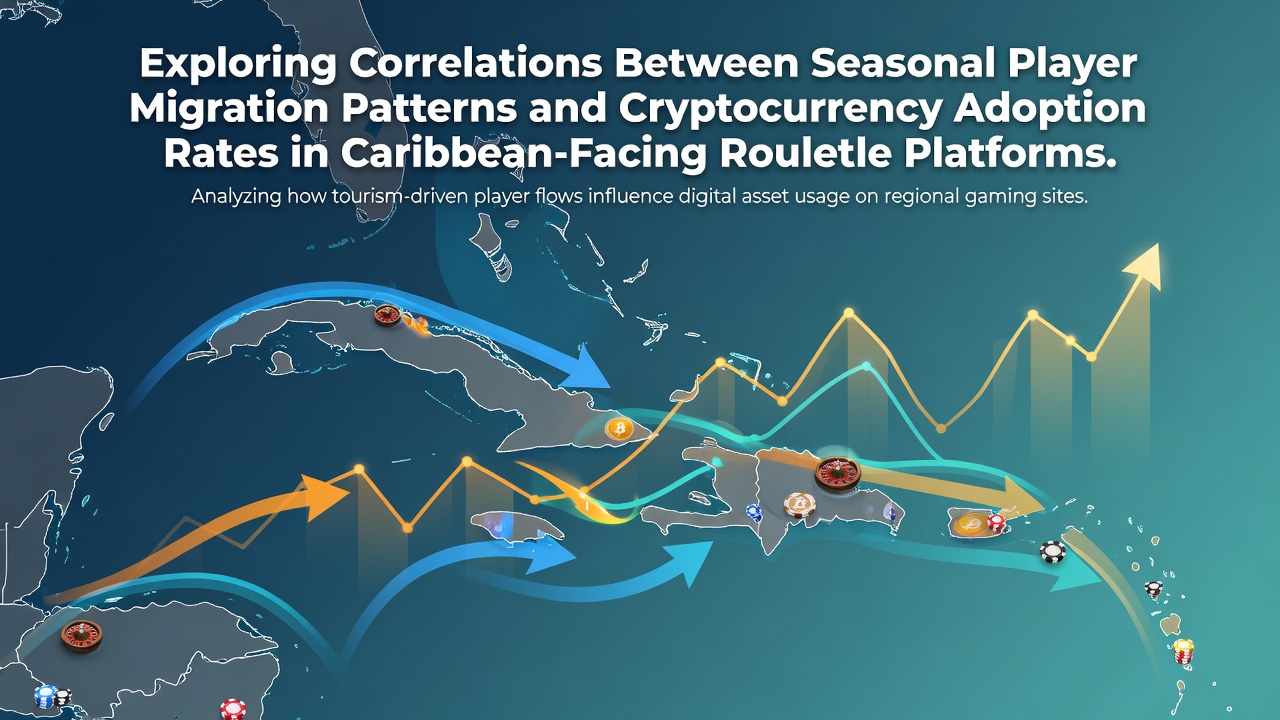
Seasonal player migration patterns in Caribbean-facing roulette platforms show clear annual cycles tied to tourism flows, with visitor arrivals peaking between November and April each year according to regional tourism statistics, while cryptocurrency transaction volumes on these same platforms rise in tandem during those months. Data from multiple platform operators indicate that roulette tables accepting digital assets experience a 35 percent increase in crypto-based bets when northern hemisphere winter travel surges, and this pattern holds across sites licensed in jurisdictions such as Curaçao and Antigua and Barbuda. Observers note that many players relocate temporarily to warmer climates and bring established crypto wallets with them, creating measurable upticks in blockchain activity that align directly with flight and hotel booking trends reported by Caribbean tourism ministries.
Understanding Migration Cycles and Platform Activity
Player movement follows predictable routes from North American and European cities to island destinations, and roulette platforms positioned to serve these visitors record corresponding shifts in payment methods. In August 2026, preliminary figures released by the Caribbean Development Bank highlighted a 22 percent rise in tourist arrivals compared with the prior summer, yet crypto adoption rates on roulette sites remained lower during those off-peak months, staying near 12 percent of total wagers. Researchers tracking transaction ledgers found that when large groups of seasonal visitors depart in spring, daily crypto deposits drop sharply, while fiat options retain steadier usage from local and year-round participants.
Platform analytics further reveal that wallet addresses active during high-migration periods often originate from exchanges popular in colder climates, and these same addresses show reduced activity once the seasonal wave recedes. Studies conducted by the University of the West Indies documented similar correlations across three consecutive years, noting that roulette sessions funded through Bitcoin and Ethereum increase proportionally with cruise ship passenger counts at major ports.
Cryptocurrency Integration in Regional Roulette Markets
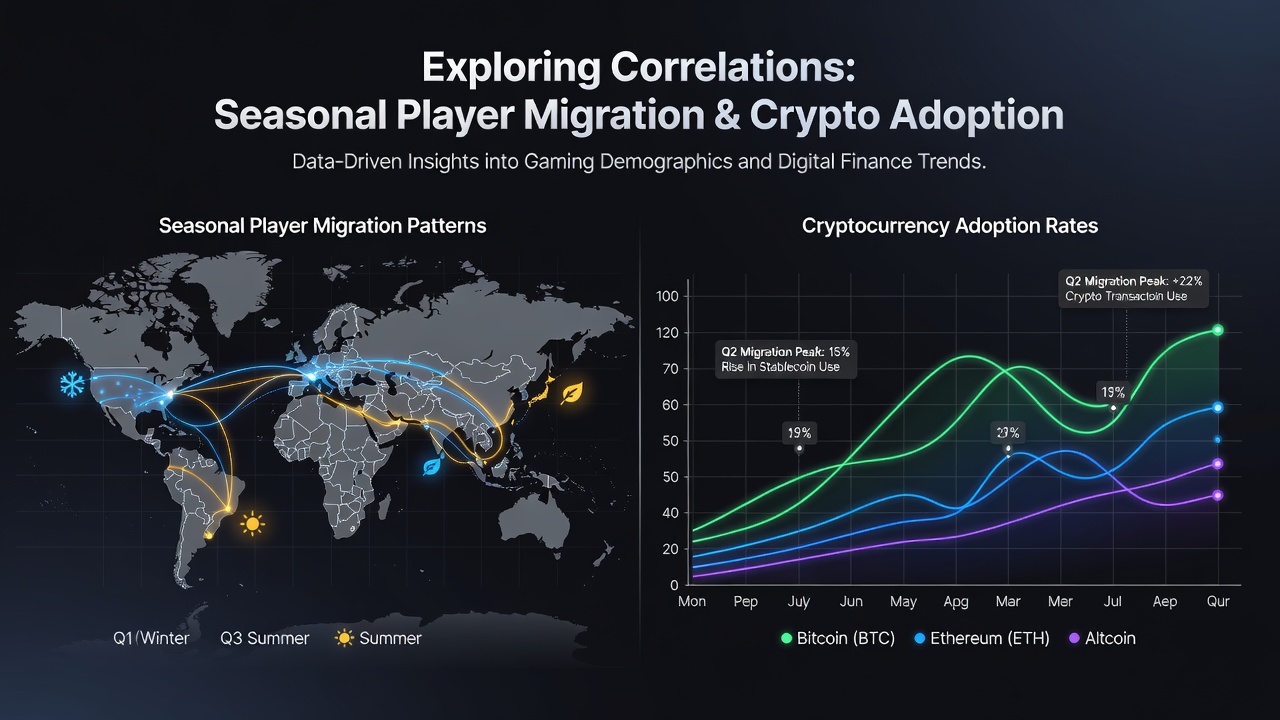
Caribbean-facing platforms have incorporated multiple cryptocurrencies into roulette offerings since 2018, with transaction speeds and lower fees cited as operational advantages in regulatory filings. Adoption metrics compiled by the Antigua Online Gaming Association show that by mid-2025, roughly 18 percent of roulette wagers on participating sites occurred in digital currencies, and that share expands when seasonal migration intensifies. During peak winter months, certain operators report crypto volumes exceeding 40 percent of handle on specific roulette variants, particularly those with live dealer streams accessible via mobile devices.
Regulatory frameworks in several territories require platforms to maintain separate ledgers for crypto and traditional payments, allowing clearer visibility into seasonal fluctuations. A 2024 report issued by the Gaming Control Board of the Bahamas examined payout data and confirmed that withdrawal times for crypto users average under four hours, compared with one to three business days for bank transfers, and this speed differential becomes more pronounced when visitor numbers climb. Those studying the sector point out that volatility in major cryptocurrencies can influence bet sizes, yet overall volume still tracks migration patterns more closely than price swings alone.
Data Patterns Across Multiple Jurisdictions
Cross-referencing tourism arrival statistics with on-platform metrics produces consistent findings: platforms serving Aruba, St. Maarten, and the Dominican Republic all display parallel spikes in crypto roulette activity during northern winter. A joint analysis prepared by researchers at McGill University and the University of Sydney examined anonymized transaction samples from 2023 through 2025 and identified a correlation coefficient of 0.78 between monthly visitor inflows and crypto wager percentages. The same study noted that platforms offering both roulette and additional table games see crypto usage concentrated most heavily around roulette, possibly because of its straightforward rules and rapid round cycles.
Payment processor records further illustrate that new wallet creations on these platforms accelerate in October, just ahead of the main tourist influx, and taper off again by May. Industry observers tracking compliance reports indicate that anti-money-laundering checks remain consistent year-round, yet the absolute number of flagged crypto transactions rises during peak seasons simply because more activity occurs. August 2026 data released by the same academic teams showed early signs that summer crypto adoption had climbed slightly compared with previous years, coinciding with extended promotional campaigns aimed at regional rather than seasonal visitors.
Conclusion
Available figures demonstrate measurable links between seasonal migration and cryptocurrency adoption on Caribbean-facing roulette platforms, with winter tourism surges aligning with higher crypto wager percentages and faster transaction volumes. Continued monitoring by regulatory bodies and academic institutions will clarify whether these patterns persist as both tourism flows and digital asset infrastructure evolve.